
Melchor Jaemond Aranas
Managing Partner • Corporate Law
Atty. Aranas serves as the firm's managing partner, specializing in business and corporate law.

Legal Services


ABOUT US
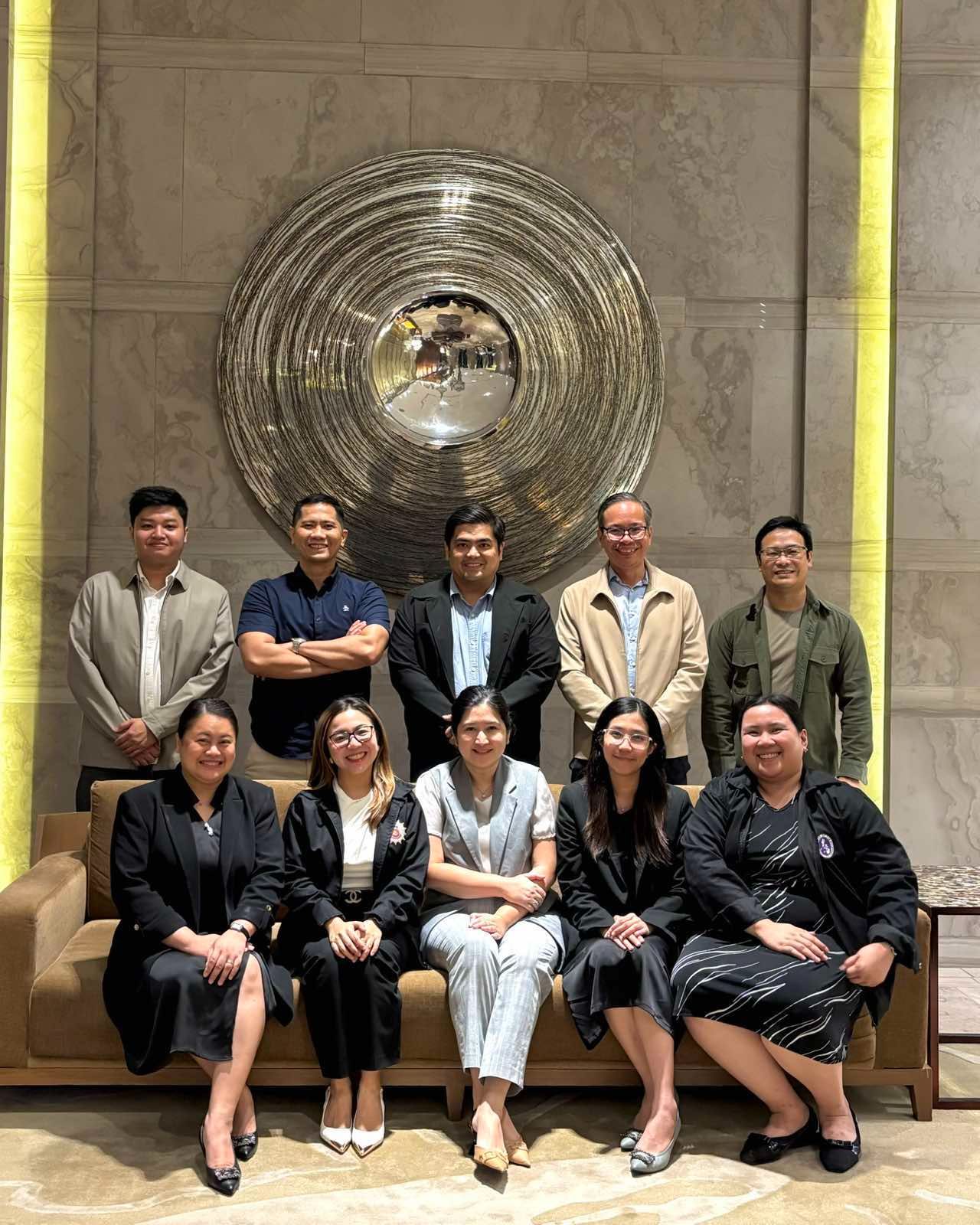
We are a Philippine-based law firm providing clear, strategic counsel to individuals and businesses. Our approach is practical and thorough—focused on protecting rights, managing risk, and achieving results.
Whether you need representation in disputes, support for corporate growth, or guidance on immigration matters, we combine careful preparation with responsive client service at every step.
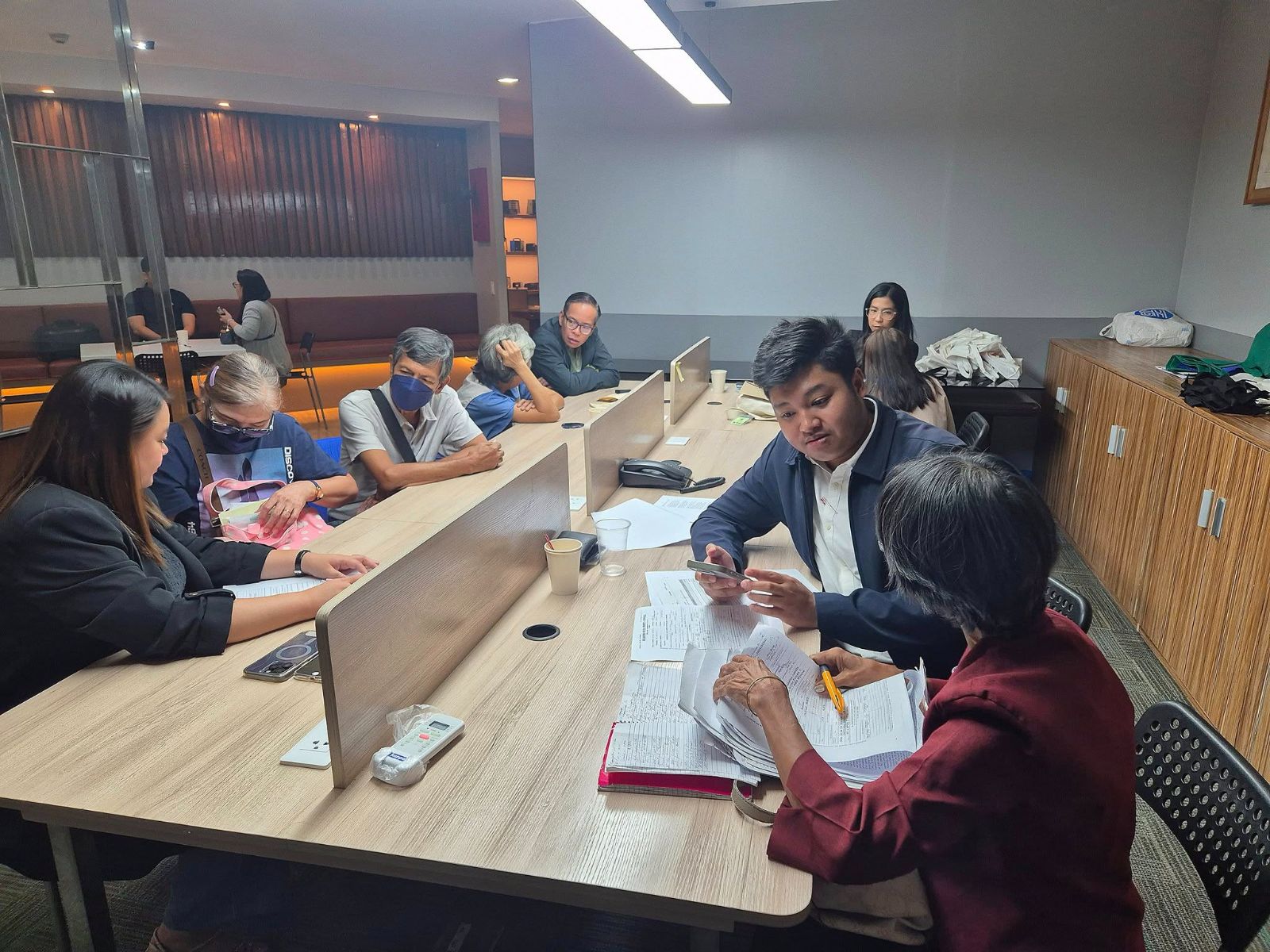


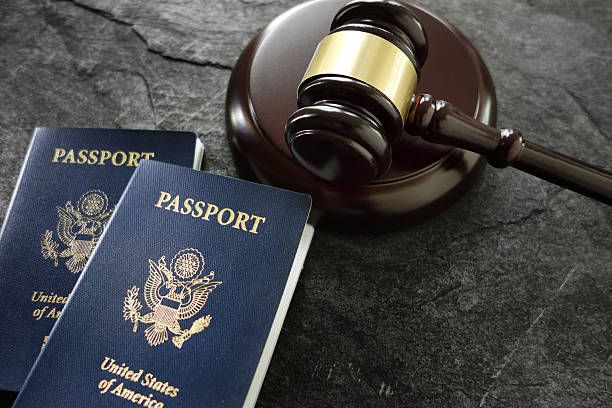
We provide clear and strategic legal services. From litigation to corporate and immigration matters, we help you move forward with confidence. Inquire Now
Prosecution and defense for criminal cases
Annulment Proceedings, Recognition of Foreign Divorce Decrees, Child Custody, Property Relations, etc.
Dispute resolution on labor issues
Preparation of corporate documents such as contracts, deeds, certificate, etc.
Mergers, Acquisition, Expansion, etc.
Preparing visa applications such as Special Resident Retiree’s Visa (SRRV), Alien Employment Permits (AEP), 13(a) Non-Quota Immigrant/Spouse Visas, and other family-based visas
Structuring and registering U.S. entities for L-1 and E-2 visas, followed by continuous compliance and corporate housekeeping post-immigration, as well as preparing for L-1 and E-2 Visa applications.
Insight
Updated Sept 16, 2025
Artificial Intelligence (AI) is no longer a futuristic concept — it is embedded in our everyday lives. Students use AI to enhance research, professionals leverage it to streamline workflows, and creatives employ it to bring bold ideas to life. But as AI becomes more powerful, it also raises pressing questions about privacy, accountability, and ethical use. This article aims to provide organizations, innovators, and compliance teams with a clear baseline to build responsible and lawful AI systems.
There’s no single, comprehensive AI law in force in the Philippines yet. But there are enforceable rules that apply to AI development and use today, led by the Data Privacy Act (DPA) and the National Privacy Commission’s (NPC) 2024 Advisory on AI, plus e-commerce rules, financial-sector model risk proposals, crypto-asset regulations, policy direction from the Supreme Court, and national-security guidance. Congress also has multiple AI bills pending.
The core privacy law that applies to AI right now is the Data Privacy Act of 2012 (RA 10173) and its Implementing Rules and Regulations. This law is technology-neutral and applies to any processing of personal data, including data used to train, test, and deploy AI systems. The NPC Advisory 2024-04 reminds personal information controllers to ensure accuracy, fairness, transparency, and purpose limitation when processing data through AI workflows. Organizations must disclose the purpose, explain the extent to which AI impacts data, and make such information easily accessible to data subjects.
NPC Advisory Opinion No. 2024-002 (January 2024) further clarifies that the use of AI is permissible under the Data Privacy Act of 2012 (RA 10173), provided that Personal Information Controllers (PICs) continue to comply with the Act’s general privacy principles. PICs using AI must:
NPC emphasized that there is “no manifest conflict” between AI use and the DPA, but accountability for AI-driven processing remains with the organization.
NPC Advisory No. 2024-03 (Guidelines on Child-Oriented Transparency) goes further by requiring additional safeguards when AI systems process or are likely to process children’s personal data. Key obligations include:
These measures should be applied to any AI system targeting or likely to be used by minors.
With the rise of digital commerce, AI-enabled platforms face heightened obligations under the Internet Transactions Act of 2023 (RA 11967) and its IRR. These rules cover business-to-business and business-to-consumer transactions, requiring platforms and merchants to be transparent, register when required, and implement takedown procedures for scams and unsafe products. AI-powered chatbots, recommendation engines, and ad-tech systems must be fair, accurate, and explainable to consumers.
AI tools may inadvertently create exposure under other laws. The Cybercrime Prevention Act (RA 10175) penalizes online fraud, identity theft, and hacking — risks amplified by generative AI misuse. The Electronic Commerce Act (RA 8792) protects the integrity of e-documents and signatures, which AI systems must not forge or falsify. The Consumer Act (RA 7394) prohibits deceptive or unfair trade practices, including misleading AI-generated ads or fake reviews. Likewise, the Intellectual Property Code (RA 8293, as amended) may be triggered when AI systems generate works that infringe on existing IP rights.
The Philippines has seen rapid growth in crypto-assets, with AI playing a dual role as both risk vector and security solution. The SEC Memorandum Circular Nos. 4 & 5 (2025) set out the Crypto-Asset Service Provider (CASP) Rules and Guidelines, requiring registration, capital adequacy, and risk monitoring. CASPs are encouraged to deploy AI tools for fraud detection, anti-money laundering monitoring, and market integrity surveillance.
The judiciary is also embracing AI. The Supreme Court’s Strategic Plan for Judicial Innovations (SPJI) 2022–2027 includes AI research to improve court efficiency. In November 2024, Senior Associate Justice Marvic M.V.F. Leonen shared that the Supreme Court was drafting an AI Governance Framework for the Judiciary to ensure ethical and responsible use. In May 2025, Chief Justice Alexander G. Gesmundo shared the positive results of the pilot implementation of an artificial intelligence (AI)-powered voice-to-text transcription tool (Scriptix). Chief Justice Gesmundo emphasized that AI will support — not replace — human court stenographers.
However, courts have warned against misuse. The Sandiganbayan admonished a lawyer for submitting AI-generated pleadings with fictitious citations, citing the Code of Professional Responsibility and Accountability (CPRA) which forbids misleading courts.
In July 2024, the Department of Trade and Industry (DTI) launched the National AI Strategy Roadmap 2.0, aiming to position the Philippines as a leading AI research hub. The plan promotes industry adoption, workforce upskilling, and responsible use guided by principles of transparency, fairness, and accountability. In parallel, a memorandum was issued by Defense Secretary Teodoro cautioning AFP and DND personnel against AI-generated photos and apps that pose identity theft and phishing risks.
Lawmakers have filed several measures to create a comprehensive AI regulatory framework. These include:
Together, these measures promise to establish clear guardrails for safe, ethical, and accountable AI.
The checklist below translates key legal requirements and policy guidance into practical actions for AI development teams and compliance officers:
The Philippine regulatory landscape for AI is evolving rapidly, and several key developments are on the horizon:
Organizations should not wait for the Philippine “AI Act” to be enacted before acting. By building governance programs now, they can reduce risk and build user trust. Key steps include:
Compliance should be seen not as a cost, but as a strategic investment that positions the organization as a leader in responsible and ethical AI.
Have a legal inquiry or need assistance? Fill out the form, and our team will get back to you shortly.
Meet the lawyers who lead our practice.
Melchor Jaemond Aranas
Managing Partner • Corporate Law
Atty. Aranas serves as the firm's managing partner, specializing in business and corporate law.

Ayla Alim-Baldueza
Co-Managing Partner • Administration
Atty. Alim-Baldueza handles the firm's administrative matters and specializes in administrative law.

Eric Dela Cruz
Partner • Immigration & Banking
Atty. Dela Cruz is a legal/compliance leader who specializes in regulated financial services, corporate governance, M&A/bank consolidation, investigations/data privacy, and building AI-enabled legal operations systems.

Jeremiah Belgica
Partner • Litigation
Atty. Belgica formerly served as the Director-General of the Anti-Red Tape Authority.

Jedrek Ng
Partner • Litigation
Atty. Ng formerly served as the Assistant City Prosecutor of Manila.
Meet the associates supporting our practice.

Ed Vinson Quintin
Senior Associate • Litigation
Atty. Quintin graduated from University of Santo Tomas and was an exemplary passer last 2020 Bar Examinations.

Mera Lyka Timan
Senior Associate • Labor
Atty. Timan graduated from Pamantasan ng Lungsod ng Maynila, specializing in labor practice.

Aileen Bobadilla
Junior Associate • Corporation and Tax
Atty. Bobadilla is a Certified Public Accountant and serves as the firm's lawyer handling tax and corporate cases.

Precius Aiah Anies
Junior Associate • Intellectual Property
Atty. Anies graduated from Pamantasan ng Lungsod ng Maynila, specializing in intellectual property cases.

Ma. Patricia Atayde
Junior Associate • Corporate
Atty. Atayde graduated from Pamantasan ng Lungsod ng Maynila, specializing in the firm's corporate practice.

Arthur Melindo
Junior Associate • Litigation
Atty. Melindo graduated as batch valedictorian from the Polytechnic University of the Philippines, handling criminal and civil cases.
| Status | Name | Message | Date |
|---|
No messages yet.